The natural sweetness that helps you leave sugar behind
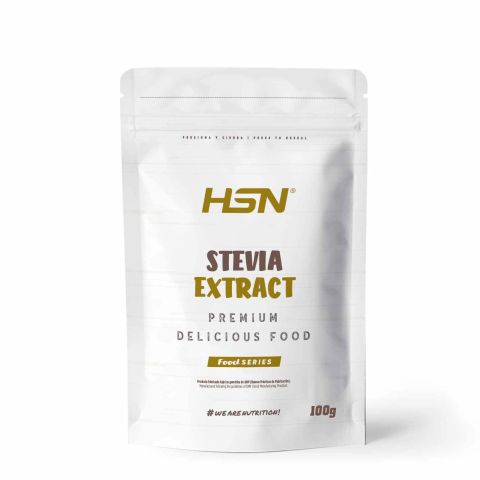
Stevia extract powder from FoodSeries is a table sweetener made from steviol glycosides derived from stevia (E960a).
Known as an 'intense sweetener.' We’re not talking about the powdered green leaf, but the sweet part of the plant, known as “white stevia,” which is used when you want to sweeten in a convenient, clean, and very powerful way. If you want to cut down on sugar without giving up the sweet taste, this is one of those options that makes it easy: lots of sweet intensity with very little amount and super practical for drinks, dairy, and everyday recipes.
Its sweetening power is way higher than sugar’s, so a tiny amount goes a long way. That’s exactly why it’s a great alternative for those who want to enjoy sweetness without adding calories or the typical glycemic impact of regular sugar.
Why it fits so well in a mindful diet
When you swap sugar for steviol glycosides, you also change how you sweeten. It’s perfect for people wanting to reduce sugar, better control carbs in their diet, or use a sweetener that won’t mess with their nutrition plan.
- Sugar substitute: Ideal for adding sweet flavor without using white sugar.
- Super practical: Since you need so little, it lasts a long time and fits perfectly into daily use.
- Good option for diabetics: Can be part of strategies to sweeten without sugar’s glycemic effect, within a diet tailored to each case.
- Perfect for control diets: Very useful when you want to cut sugars without giving up the sweet taste in your dishes.
What does stevia really taste like?
Stevia has its own profile, and that’s a big part of its charm. Compared to white sugar, its sweetness is more intense and direct. Sugar tends to feel more neutral; stevia, on the other hand, needs better quantity adjustment to show its best side. When used right, the result is pleasant and clean. If you overdo it, a herbal or licorice-like note can appear at the end.
Compared to classic sweeteners like sodium cyclamate and saccharin blends, stevia is usually perceived as a more natural-origin alternative. Also, in foods or drinks with their own flavor — like coffee, cocoa, vanilla, cinnamon, lemon, yogurt, or fruit — it blends much better, making the result rounder and more enjoyable.
The best way to enjoy it? Use it where sweetness complements the main flavor, not where sugar is the absolute star. That’s where it shines the most.
Where to use it to get the most out of it
Stevia makes a lot of sense in recipes where you want sweetness but don’t need sugar to add volume or texture. That’s why it works especially well in coffee, tea, infusions, yogurts, quark, smoothies, porridges, cold creams, mousses, lemonades, or spoon desserts. It can also fit really well in baking, especially when the main goal is to sweeten.
Easy recipe ideas with Stevia extract powder
- Greek yogurt or quark with red berries.
- Protein shake with pure cocoa and a touch of stevia.
- Iced or hot coffee, matcha tea, or fruity infusions.
- Homemade pancakes, waffles, or crepes.
- Fit cheesecake or yogurt and lemon mousse.
- Lemonade, iced tea, or ginger and citrus drink.
- Quick jam or homemade compote with no added sugar.
- Cooked oats, porridge, or light rice pudding.
A simple trick to always nail the flavor: start with a tiny amount, taste, and adjust. With stevia, less is often more.
Q&A - Frequently asked questions
Is it the same as ground stevia leaf?
No. This product isn’t crushed green leaf but steviol glycosides: the compounds responsible for the plant’s sweet taste. That’s why its flavor is much more intense and its use is different too.
Why do I need so little?
Because its sweetening power is way higher than sugar’s. That means you can get the sweetness you want with a minimal dose.
Can it be used in hot and cold drinks?
Yes. It’s a very convenient option for coffee, tea, infusions, shakes, yogurts, and homemade cold drinks. You just need to adjust the amount well.
Is it good for cooking and baking?
Yes, especially in recipes where you want to add sweetness without relying on sugar as the main structural ingredient. It can be a great ally in desserts, doughs, and homemade preparations.
How do I get a rounder flavor?
The best way is to combine it with flavors that already have personality: cocoa, coffee, cinnamon, vanilla, lemon, red berries, or yogurt. That way, the sweetness blends better and the result is more pleasant.
Does it make sense if I’m cutting sugar in my diet?
Absolutely. That’s exactly where it stands out: it helps you keep the sweet taste in your meals and drinks without using regular sugar.
If you’re looking for a natural-origin sweetener that’s super potent and easy to use, Stevia extract powder is a smart way to keep enjoying sweet flavor every day.
Scientific bibliography
- Ceunen, S., & Geuns, J. M. C. (2013). Steviol glycosides: Chemical diversity, metabolism, and function. Journal of Natural Products, 76(6), 1201–1228.
- Cardello, H. M. A. B., Da Silva, M. A. P. A., & Damasio, M. H. (1999). Measurement of the relative sweetness of stevia extract, aspartame and cyclamate/saccharin blend as compared to sucrose at different concentrations. Plant Foods for Human Nutrition, 54, 119–129.
- Tao, R., & Cho, S. (2020). Consumer-Based Sensory Characterization of Steviol Glycosides (Rebaudioside A, D, and M). Foods, 9(8), 1026.
- Muenprasitivej, N., Tao, R., Nardone, S. J., & Cho, S. (2022). The Effect of Steviol Glycosides on Sensory Properties and Acceptability of Ice Cream. Foods, 11(12), 1745.
- Ajami, M., Seyfi, M., Abdollah Pouri Hosseini, F., Naseri, P., Velayati, A., Mahmoudnia, F., Zahedirad, M., & Hajifaraji, M. (2020). Effects of stevia on glycemic and lipid profile of type 2 diabetic patients: A randomized controlled trial. Avicenna Journal of Phytomedicine, 10(2), 118–127.
- Stamataki, N. S., Scott, C., Elliott, R., McKie, S., Bosscher, D., & McLaughlin, J. T. (2020). Stevia beverage consumption prior to lunch reduces appetite and total energy intake without affecting glycemia or attentional bias to food cues: A double-blind randomized controlled trial in healthy adults. The Journal of Nutrition, 150(5), 1126–1134.
- Rocha, I. F. O., & Bolini, H. M. A. (2015). Passion fruit juice with different sweeteners: Sensory profile by descriptive analysis and acceptance. Food Science & Nutrition, 3(2), 129–139.