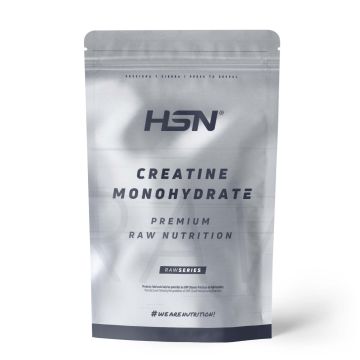
Creatine Monohydrate Powder - The undisputed #1
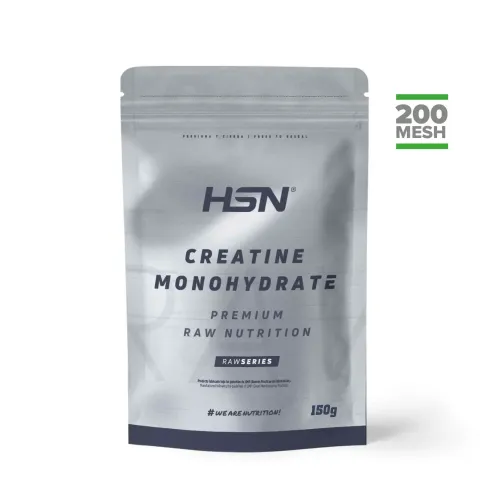
Creatine Monohydrate Powder from RawSeries is a powdered supplement made exclusively from a raw material selected by HSN for its top quality, consisting of pure Creatine Monohydrate powder at 200 mesh.
Creatine monohydrate is considered the go-to supplement in sports applications, far ahead of any other compound that might be considered top-tier, like caffeine. We have thousands of high-quality scientific studies conducted over more than 3 decades that back the safe and effective use of this compound.
HSN’s creatine monohydrate powder represents the highest quality at a fair price in the HSN catalog. Packaged in user-friendly sizes, only with certified raw material, no additives or processing beyond packaging itself.
Discover HSN’s creatine - Guaranteed effectiveness
100% pure raw material, no additives
When it comes to creatine monohydrate, which is already a pretty affordable compound, there’s no need to ruin it with additives that just 'cut' the product, lowering the amount of the compound that athletes or anyone wanting to use creatine actually cares about; very few people want to use mixed creatine, and when they do, it’s usually because they’re using it not as pure creatine but as a pre-workout or a 'gainer'-type formula that contains creatine.
HSN’s creatine monohydrate powder is 100% pure creatine monohydrate with no additives whatsoever.
Because it doesn’t need them, because it would only make the product worse, because we want to give you exactly what you’re looking for:
100% pure creatine monohydrate, no mixed compounds, no additives, no fillers of any kind.
A product ideal for your goals.
Certified free of contaminants and maximum purity
During the creatine synthesis process, if production conditions aren’t carefully controlled, undesirable metabolites form that reduce creatine purity.
The most well-known are DCD and DHT, compounds that Alzchem, the producer of Creapure®, regularly highlights as a key differentiator, which is why their patent has become such a recognized and valued raw material in the international market.
The raw material for our creatine monohydrate has been analyzed to certify that its purity and absence of contaminants meet the standards we set: the highest quality standards.
You can check out the purity analysis of our Creatine here, done by an independent lab.
Easy to mix in water - Long-lasting suspension thanks to its 200 mesh
One of the main issues perceptive users notice with creatine is that it doesn’t mix like protein.
And it’s important to stress this: Creatine monohydrate is not water soluble, none of it, and if it is, then it’s either not creatine monohydrate or it has a lot of additives.
Have you ever used a powdered stick for headache medicine, for example, that didn’t dissolve in water? Many commercial brands of these products behave this way; creatine monohydrate is the same.
What creatine does is suspend, meaning the powder particles float dispersed in the liquid and gradually settle down.
The 200 mesh size of our powder, which measures particle size, ensures the powder suspension lasts longer in the drink, making it easier to take without noticing particles in the mix, thanks to how fine it is.
Creatine - The most studied supplement in the world
Creatine is recognized as the most studied supplement in sports nutrition and exercise physiology, with a vast body of scientific evidence supporting its use. Since research began in the 1990s, thousands of studies on creatine have been conducted, exploring various aspects of its metabolism, absorption, and effects on the human body. These studies have been done across diverse populations, including athletes, older adults, and people with various conditions, providing a thorough understanding of its impact and safety.
The volume of creatine research covers many study types, from controlled clinical trials to systematic reviews and meta-analyses. This methodological diversity and consistent results across different contexts and populations strengthen the robustness of the scientific findings. Research has addressed not only creatine’s effects on physical performance but also its nutritional kinetics, molecular mechanisms, and possible interactions with other nutrients and compounds, contributing to a very comprehensive knowledge base.
Over these decades of research, creatine has been studied for both short- and long-term use, providing valuable data on its safety and effectiveness. The breadth and depth of available evidence on creatine are unmatched in the supplement world, making it a benchmark in sports nutrition science.
This extensive scientific evidence has made creatine one of the best understood and documented substances in terms of its use in sports and general health.
Creatine properties you care about
What has made creatine one of the most scientifically interesting products are its properties, including:
- * Creatine improves physical performance in successive bouts of brief, high-intensity exercise.1
- Daily creatine intake can enhance the effect of resistance training on muscle strength in adults over 55 years old.2
As an athlete, you can’t miss out on the benefits of supplementing with Creatine.
Creatine in foods, is it possible to get enough?
Creatine naturally occurs in certain foods, mainly animal-based products. Red meats like beef and lamb, as well as fish, especially salmon and tuna, are the richest sources of creatine.
For example, 1 kilogram of beef contains about 4-5 g of creatine.
However, to reach ergogenic levels of creatine through diet alone, a person would need to consume large amounts of these foods, which isn’t always practical or healthy due to high fat content and other nutrients that could exceed daily recommendations.
Supplementing with creatine is a more effective and efficient way to reach the ergogenic dose.
This amount has been identified in multiple studies as sufficient to increase muscle creatine levels, maximize phosphocreatine stores, and consequently achieve the performance benefits mentioned earlier. Getting this dose through diet would require eating several kilos of meat or fish daily, which is unrealistic for most people.
Supplementing with creatine offers a practical, safe, and affordable solution for those looking to optimize creatine levels without the downsides of a meat- and fish-heavy diet. Plus, when you buy creatine like HSN’s, you can dose it precisely thanks to the powder’s purity. This administration method lets users, especially athletes and active people, consistently reach the creatine levels needed to boost physical performance* without the possible negative effects of an unbalanced or limited diet.
Who can use Creatine? HSN recommendations
Creatine is widely used by both professional athletes and amateurs seeking its ergogenic effects*. Its use isn’t limited to high-performance athletes; people doing strength, endurance, or high-intensity training can also benefit.
Additionally, its use has extended to older adults aiming to maintain muscle mass (daily creatine intake can enhance the effect of resistance training on muscle strength in adults over 55 years old).
Monohydrate form - why is it the best?
Creatine monohydrate is the most basic and widely researched form of creatine, made simply of creatine and one water molecule. Its popularity is partly due to its accessibility and extensive scientific research, as it’s the main form studied, and its effectiveness and safety have been validated through numerous studies, giving users confidence in its use.
Compared to other creatine forms, like creatine ethyl ester and creatine HCl, creatine monohydrate holds a top spot since these other forms don’t have the same level of scientific backing.
In short, creatine monohydrate remains the market’s preferred option due to its affordable price, availability, and extensive research support. These features make it a practical and reliable choice for those wanting to include it in their supplement routine efficiently and safely.
Q&A - HSN helps you out
Do I need to do a loading phase with creatine?
A loading phase with creatine isn’t necessary; although it can speed up muscle creatine saturation and bring effects faster, the recommended daily dose from the start is also effective and might be more comfortable for some users.
Generally, it’s recommended not to do a loading phase with creatine due to digestive discomfort from such a high dose and no added benefits over the traditional maintenance dose.
What’s the best Creatine dose?
Although it’s common to see recommendations in forums, popular culture, and influencers suggesting the ideal creatine dose is relative to body weight, often recommending 1 g per 10 kg of body weight, the truth is this dose hasn’t been solidly backed by science.
Currently, the only scientifically validated dose of significance is the one we recommend in our products.
Is this creatine Creapure®?
No. If you’re looking for creatine monohydrate powder with Creapure raw material, you can find it here.
What sets this creatine apart from Creapure®?
The patent and raw material manufacturer.
On the other hand, both products are the same:
100% creatine monohydrate of maximum purity.
They have the same concentration, effectiveness, and are functionally identical.
Do I need to take breaks from using Creatine?
It’s not necessary to take breaks from creatine use because continuous consumption at a maintenance dose is safe and hasn’t shown long-term negative effects.
Creatine doesn’t deplete the body’s natural stores or cause dependency, so it can be taken consistently without needing breaks.
Creatine and doping controls, should you worry?
Creatine is a supplement naturally found in foods and also produced by the human body. Its use is widely recognized and accepted in sports and is not classified as a banned substance by anti-doping organizations like the World Anti-Doping Agency (WADA). Due to its nature and main function, its consumption doesn’t violate any anti-doping regulations.
Also, if you buy creatine monohydrate from HSN, a company certified with Good Manufacturing Practices (GMP), you guarantee product quality and safety. GMP certification ensures supplements are produced under strict hygiene, quality control, and standardized procedures, eliminating contamination risk and ensuring the product contains exactly what the label states. This is especially important to avoid banned or harmful substances, protecting consumer health and complying with food safety regulations.
Athletes subject to doping controls don’t need to worry about using it.
Creatine in young people and older adults
The interest in creatine among young people lies in its nutritional potential. Young people, especially athletes, want to maximize physical performance and improve their abilities in sports and training*. Creatine, being a well-studied and safe supplement, is seen by many as a useful tool to optimize their sports experience.
We recommend keeping supplements away from young children, and if teenagers want to use creatine, consult a sports doctor.
In older adults, creatine draws interest due to its positive effects on maintaining muscle mass (daily creatine intake can enhance the effect of resistance training on muscle strength in adults over 55 years old). As people age, muscle loss can affect quality of life and the ability to perform daily activities. Creatine is seen as a supplement that can help these individuals.
The best supplements to take with creatine
One of the most commonly used products alongside creatine is protein powder, like whey protein or plant-based proteins. Protein powder is popular among athletes and active people because it provides a convenient and quick source of protein, an essential nutrient. Combining creatine with protein is a common post-workout practice among athletes, as both products are regularly used in intensive training regimens.
A supplement often used with creatine is beta-alanine. Beta-alanine is an amino acid widely used by athletes. Athletes often take creatine and beta-alanine together before training.
Multivitamins are also commonly used with creatine to ensure an adequate intake of essential vitamins and minerals that support energy metabolism. Multivitamins can fill nutritional gaps in an active person’s diet, helping maintain optimal nutrient levels. Together, creatine and multivitamins form a solid supplement foundation for those looking to improve physical performance.
References
- Lak, M., Forbes, S. C., Ashtary-Larky, D., Dadkhahfar, S., Robati, R. M., Nezakati, F., Khajevandi, M., Naseri, S., Gerafiani, A., Haghighat, N., Antonio, J., & Tinsley, G. M. (2025). Does creatine cause hair loss? A 12-week randomized controlled trial. Journal of the International Society of Sports Nutrition, 22(sup1), 2495229.
- Burt, V. L., & Harris, T. (1994). The third National Health and Nutrition Examination Survey: contributing data on aging and health. The Gerontologist, 34(4), 486–490.
- Avgerinos, K. I., Spyrou, N., Bougioukas, K. I., & Kapogiannis, D. (2018). Effects of creatine supplementation on cognitive function of healthy individuals: A systematic review of randomized controlled trials. Experimental Gerontology, 108, 166–173.
- Mielgo-Ayuso, J., Calleja-Gonzalez, J., Marqués-Jiménez, D., Caballero-García, A., Córdova, A., & Fernández-Lázaro, D. (2019). Effects of creatine supplementation on athletic performance in soccer players: A systematic review and meta-analysis. Nutrients, 11(4).
- Kreider, R. B., Kalman, D. S., Antonio, J., Ziegenfuss, T. N., Wildman, R., Collins, R., … Lopez, H. L. (2017). International Society of Sports Nutrition position stand: Safety and efficacy of creatine supplementation in exercise, sport, and medicine. Journal of the International Society of Sports Nutrition, 14(1), 18.
- Post, A., Tsikas, D., & Bakker, S. J. L. (2019). Creatine is a conditionally essential nutrient in chronic kidney disease: A hypothesis and narrative literature review. Nutrients, 11(5).
- Prokopidis, K., Giannos, P., Triantafyllidis, K. K., Kechagias, K. S., Forbes, S. C., & Candow, D. G. (2023). Effects of creatine supplementation on memory in healthy individuals: a systematic review and meta-analysis of randomized controlled trials. Nutrition Reviews, 81(4), 416–427.
1 The beneficial effect is achieved with a daily intake of 3 g of creatine.
2 This statement is aimed at adults over 55 years old who regularly perform resistance training. The beneficial effect is achieved with a daily intake of 3 g of creatine combined with resistance training, which allows an increase in workload over time and should be done at least three times a week for several weeks, with an intensity of at least 65 %-75 % of one repetition maximum load.

 Delivery in 3-5 working days










 Before
 After
After During
 Morning
 Afternoon
 Night
Night